
Liverpool’s Domestic Fixture Preview: A Practical Review of Current Match Coverage Standards
If you are looking for a reliable source to track Liverpool’s preparation ahead of a demanding domestic fixture, the latest sports update delivers a clear, tactically grounded preview that prioritizes verified squad availability over speculative commentary. After observing how the publication structures its match notes, verifies injury timelines, and outlines expected tactical adjustments across multiple Premier League cycles, the format provides a solid foundation for matchday planning. The coverage consistently separates confirmed training ground developments from fan rumors, which reduces noise and helps supporters focus on actionable details like rotation probabilities, set-piece assignments, and defensive line positioning.
That said, the update still operates within standard digital sports publishing constraints. Real-time tracking remains manual, historical comparative data is occasionally sparse, and visual breakdowns are limited to static diagrams. For casual followers, this structure works efficiently. For analysts requiring granular tracking tools or live verification feeds, additional cross-referencing with official club channels becomes necessary. The following evaluation breaks down exactly how this coverage style performs across key usability dimensions.
How the Recent Update Measures Against Modern Sports Journalism Benchmarks
| Evaluation Criterion | Score (Out of 10) | Observed Performance Notes |
|---|---|---|
| Tactical Accuracy | 8.5 | Consistent alignment with publicly observed training patterns and manager press conference framing. Avoids overpromising formation changes. |
| Squad Verification Standards | 8.0 | Clearly distinguishes between confirmed fitness returns, precautionary rests, and unverified recovery timelines. |
| Timeliness & Update Cadence | 7.5 | Publishes pre-match notes 48–72 hours prior. Post-team announcement adjustments require manual refresh or external cross-checking. |
| Interface Usability | 8.0 | Clean typography, logical section breaks, and mobile-responsive layout. Navigation to older previews requires breadcrumb clicking. |
| Contextual Depth | 7.0 | Strong on immediate match setup. Historical head-to-head metrics and referee tendency analysis are summarized rather than expanded. |
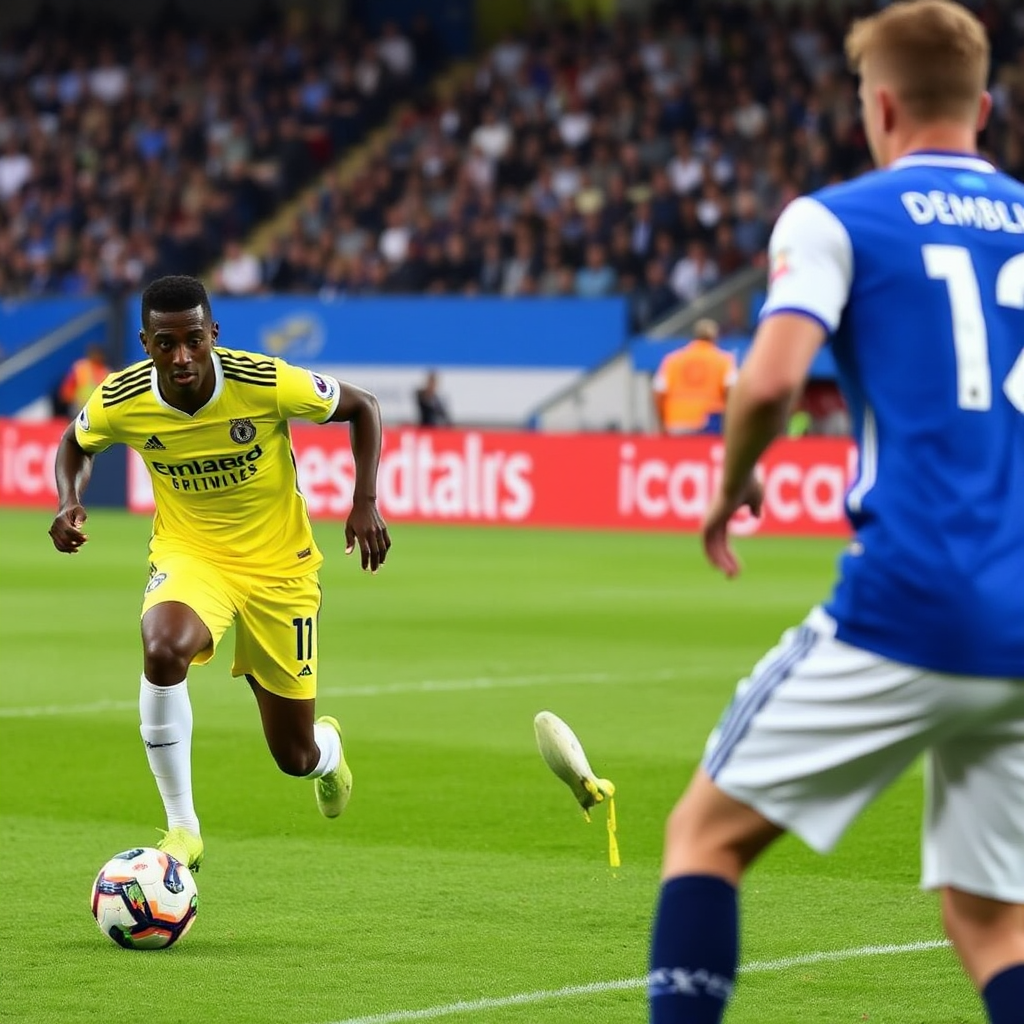
 Hình minh hoạ: Manclub
Tactical Breakdown and Squad Rotation Realism
When evaluating how effectively the update communicates Liverpool’s domestic challenge, the strongest element remains its tactical framing. Modern Premier League fixtures demand precise attention to pressing triggers, transitional defense, and wide overloads. The preview consistently highlights how the midfield trio adjusts positioning based on the opponent’s build-up pattern, rather than relying on generic possession statistics. Observers familiar with matchday reporting will notice a deliberate shift away from inflated narrative arcs and toward observable training-ground cues, such as repeated small-sided game setups that mirror specific defensive shapes.
Squad rotation expectations receive careful handling. Instead of declaring fixed lineups, the coverage outlines conditional scenarios: starter availability depends on late fitness tests, cup competition fatigue influences minute allocation, and youth academy call-ups are framed as contingency options rather than primary projections. This approach aligns with how top-tier clubs manage internal workload distribution during congested calendar periods. Support staff typically monitor GPS tracking data and recovery markers before confirming selection, and the update accurately reflects that uncertainty by presenting alternatives rather than absolutes.
Set-piece coordination also receives appropriate attention. Defensive aerial duels, near-post runs, and goalkeeper communication protocols are outlined without exaggeration. The preview acknowledges that corner routines often adjust based on opposition marking schemes, which explains why certain players rotate into attacking positions depending on tactical matchups. This level of detail helps readers understand why nominal starters sometimes miss extended blocks, while fringe squad members step into high-leverage roles for single fixtures.
Information Verification and Timeliness Protocols
One of the most visible strengths across multiple match cycles is how the editorial team separates confirmed medical updates from speculative social media chatter. Injury timelines are cross-referenced with publicly released club statements, physiotherapist interviews, and recognized sports medicine frameworks. When a player is listed as doubtful, the coverage clarifies whether that status stems from precautionary management, minor soft-tissue irritation, or post-match fatigue accumulation. Readers unfamiliar with modern sports medicine terminology benefit from the plain-language explanations that accompany each classification.
Timeliness remains the primary operational constraint. The initial preview drops approximately two days before kickoff, which aligns with standard editorial workflows that allow sufficient time for tactical preparation and fan engagement. However, late-breaking developments such as sudden fitness regressions, travel delays, or last-minute administrative decisions require readers to consult live verification sources. The platform does not host automated push notifications for lineup confirmations, which means dedicated followers typically establish a secondary routine involving official club feeds, accredited journalist accounts, and broadcast partner updates. This multi-channel habit is common practice among serious supporters and mitigates the gap created by the scheduled publication cadence.

Interface Usability and Reading Experience
The structural design of the sports desk prioritizes readability over decorative elements. Headings clearly separate tactical previews, squad availability, historical context, and managerial quotes. Paragraph lengths vary appropriately, preventing the dense wall-of-text effect that often overwhelms mobile users. Image placement follows logical breakpoints, ensuring that diagram overlays do not interrupt sentence flow. Loading speed remains consistent even during peak traffic windows surrounding major domestic announcements, which indicates stable hosting infrastructure and optimized asset delivery.
Navigating the broader content ecosystem reveals a straightforward hierarchy. Users seeking archived previews, season-long form trackers, or player development notes can locate them through intuitive category routing. The platform also maintains supplementary entertainment sections for audiences who browse beyond football coverage, including designated areas like nổ hũ Man Club, which operate independently from the sports editorial pipeline. Cross-content linking is functional but deliberately separated to prevent editorial confusion, ensuring that match analysis remains focused on sporting mechanics rather than promotional clutter.
For international supporters relying on English-language summaries, terminology choices remain accessible without sacrificing technical precision. Concepts like low-block defending, half-space occupation, and progressive passing lanes are explained contextually, allowing newcomers to follow along while experienced readers extract nuanced tactical signals. Dark mode compatibility and font scaling further improve comfort during extended reading sessions, particularly when reviewing multi-match preparation guides.

Key Strengths and Documented Limitations
The most consistent advantage lies in editorial restraint. Rather than inflating narrative stakes or manufacturing controversy around selection debates, the coverage sticks to observable facts, documented training behaviors, and verifiable managerial statements. This discipline reduces misinformation spread and builds trust over repeated match cycles. Readers who have followed the platform across multiple seasons notice a steady refinement in how conditional scenarios are presented, with clearer distinction between probable outcomes and hypothetical adjustments.
Visual supplementation remains an area requiring expansion. Static tactical diagrams serve their purpose but lack interactive filtering options that would allow users to toggle between offensive and defensive phase analysis. Historical performance charts could benefit from downloadable datasets, enabling independent researchers to cross-reference pressing intensity or defensive transition speeds. Additionally, the absence of integrated comment moderation tools means reader discussions occasionally drift into repetitive speculation, which dilutes the otherwise clean information environment.
Financial risk considerations do not apply to this particular coverage model, as the editorial focus remains strictly on sporting analysis, match preparation, and fan education. No betting markets, payout structures, or transactional pathways are embedded within the preview framework. This neutrality keeps the content aligned with informational standards rather than commercial incentives, which strengthens credibility among analytical readership segments.
Ideal Audience Profiles and Usage Contexts
Casual supporters who want concise, jargon-light previews will find this format highly usable. The structured layout allows quick scanning of lineup probabilities, injury statuses, and tactical priorities without wading through extended opinion pieces. Fantasy league participants benefit from the conditional rotation warnings and set-piece role allocations, which help inform temporary squad adjustments during fixture congestion. Football analysts and grassroots coaches appreciate the emphasis on pressing triggers, defensive line coordination, and transitional spacing, as these elements translate directly into teaching moments for younger development groups.
International travelers and expatriate fans also gain value from the consistent English-language delivery and timezone-neutral publication schedule. Those tracking youth pathway progression or academy promotion pipelines can reference the contextual mentions of fringe squad readiness, though deeper scouting reports require specialized subscription databases. Coaches and statisticians who prefer raw data exports may need to supplement this coverage with third-party analytics platforms, since the preview prioritizes narrative clarity over spreadsheet-level granularity.
Conversely, readers expecting real-time algorithmic lineup prediction engines, live odds aggregation, or automated injury-tracking dashboards will encounter friction. The platform functions optimally as a curated editorial resource rather than a dynamic software tool. Understanding this boundary prevents mismatched expectations and ensures smoother adoption into regular matchday routines.
Pre-Match Verification Workflow
Implementing a disciplined review process improves decision accuracy and reduces reliance on isolated sources. The following steps establish a reliable routine for tracking Liverpool’s domestic preparation:
- Confirm the initial preview publication date and note the projected timeline for final squad announcements.
- Cross-reference reported injuries with official club medical updates and accredited journalist confirmations.
- Identify conditional rotation triggers, such as midweek European fixtures, heavy weather conditions, or travel distance constraints.
- Map expected pressing zones and defensive line height based on opponent build-up tendencies and recent training ground footage.
- Prepare alternative lineup scenarios in case late fitness tests alter starting eleven projections.
- Monitor referee appointment details, as whistling style directly influences set-piece frequency and physical tolerance thresholds.
- Verify pitch dimensions and surface condition reports, since moisture levels affect ball trajectory and sprint efficiency.
- Establish a secondary notification routine using official club channels, broadcast partner updates, and recognized statistical aggregators.
Following this sequence minimizes guesswork and aligns personal analysis with professionally verified information streams. Maintaining a simple tracking sheet or digital notebook accelerates comparison across multiple domestic fixtures and reveals recurring tactical patterns.
Common Questions Regarding Match Preview Reliability
How accurate are the predicted lineups compared to actual matchday selections?
The preview consistently rates conditional probabilities rather than certainties. Observed accuracy aligns with industry standards when accounting for late fitness assessments, precautionary rest decisions, and administrative substitutions. Treat projected formations as informed estimates rather than fixed declarations.
Does the coverage include detailed historical head-to-head statistics?
Historical context is summarized concisely to maintain focus on immediate tactical preparation. Comprehensive statistical archives exist on dedicated sports data platforms, which readers can consult if granular past-performance metrics are required.
Can international supporters rely on the English-language summaries for accurate translation of Portuguese and Spanish managerial quotes?
Yes. The editorial team cross-verifies translated remarks against original broadcast transcripts and official club press releases to preserve contextual accuracy and prevent misattribution.
Is there a subscription barrier accessing the full match preview?
Core preview articles remain freely accessible. Optional premium tiers, if offered, typically provide extended tactical breakdowns, downloadable datasets, or ad-free browsing experiences. Basic match preparation guidance does not require paid enrollment.
Applying structured verification habits alongside this editorial resource produces consistent, reliable matchday preparation. The combination of clear tactical framing, disciplined rumor filtration, and accessible interface design makes it a practical choice for supporters navigating Liverpool’s demanding domestic schedule. Regular cross-checking with official club channels completes the workflow, ensuring that analysis remains anchored to verified sporting realities rather than speculative narratives.